
Table of Contents
- How Humates Work
- Key Benefits of Humates
- Unlocking Soil Minerals
- Enhancing Fertilizer Performance
- Improving Urea Efficiency
- Increasing Cation Exchange Capacity (CEC)
- Reducing Soil Toxicity
- Managing Salt-Affected Soils
- Supporting Natural Disease Resistance
- Improving Soil Structure
- Improving Heavy Clay Soils
- Increasing Water Retention
- Stabilizing Soil Temperature
- Improved Seed Germination
- Enhanced Root Development
- Foliar Applications
- Mineral Availability
- Building Healthier Soils Naturally

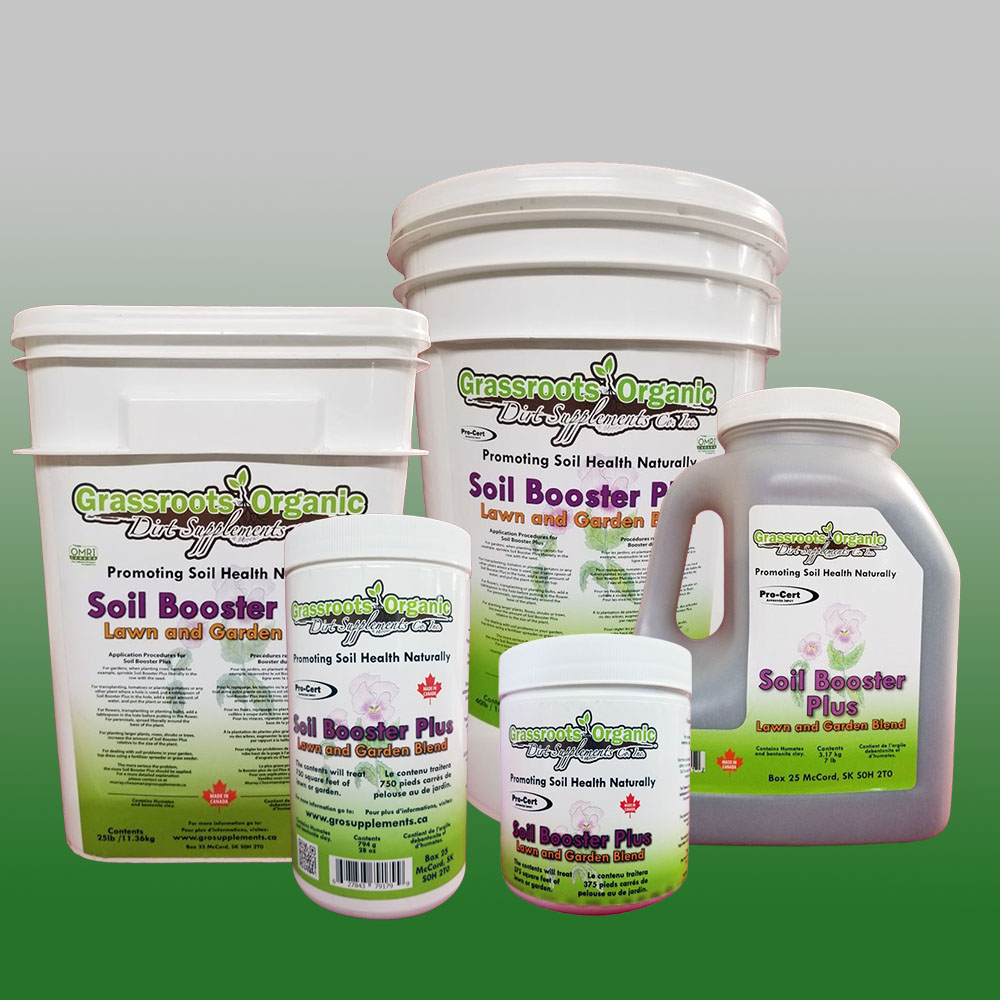
How Humates Work
Humates are natural organic compounds that improve soil health and help plants make better use of available nutrients. They support biological activity, enhance nutrient retention, improve soil structure, and encourage stronger root systems.
Key Benefits of Humates
- Improve nutrient absorption and increase cation exchange capacity (CEC).
- Promote stronger root development and seedling establishment.
- Provide a food source for beneficial soil microorganisms.
- Increase water retention in sandy soils while improving aeration in heavy soils.
- Reduce nutrient and moisture losses through leaching.
- Help minimize erosion through improved root growth.
- Enhance crop quality and plant vigor.
- Improve the effectiveness of fertilizers, lime, and urea applications.
- Increase seed germination and establishment rates.
Unlocking Soil Minerals
Many soils contain significant reserves of minerals that plants cannot readily access. Phosphorus, for example, often becomes tied up with calcium, magnesium, iron, and aluminum, making it unavailable to crops.
Humic substances help:
- Balance both acidic and alkaline soils.
- Release trace elements that were previously unavailable.
- Increase the availability of phosphorus and micronutrients.
- Release carbon dioxide and organic acids that further free plant nutrients.
By improving mineral availability, humates help plants utilize nutrients that are already present in the soil.
Enhancing Fertilizer Performance
Humic and fulvic acids interact with nutrients through natural chemical processes that improve their availability and reduce losses.
Benefits include:
- Reduced nutrient leaching.
- Increased availability of micronutrients such as iron, zinc, copper, manganese, magnesium, and calcium.
- Improved nutrient movement through the soil.
- Greater uptake by plant roots.
- Reduced toxicity from heavy metals.
Humates help retain newly applied fertilizer while also releasing nutrients already present in the soil, making more nutrients available to crops and reducing losses to the environment.
Improving Urea Efficiency
Nitrogen from urea is highly soluble and can be quickly lost through leaching, runoff, and volatilization. Humates help hold nitrogen in the root zone and release it more gradually.
This can:
- Improve nitrogen efficiency.
- Increase dry matter production.
- Reduce nutrient losses.
- Improve forage quality.
- Help lower environmental impacts.
Increasing Cation Exchange Capacity (CEC)
Cation exchange capacity (CEC) measures a soil's ability to hold nutrients and make them available to plants.
Humates possess extremely high CEC values, allowing them to:
- Increase nutrient-holding capacity.
- Improve fertilizer efficiency.
- Reduce nutrient losses.
- Enhance long-term soil fertility.
Adding humates can dramatically improve nutrient retention, especially in light, sandy soils.
Reducing Soil Toxicity
Humic substances can bind and stabilize many unwanted compounds within the soil, helping to:
- Reduce the activity of certain pesticides and toxins.
- Support natural biological degradation processes.
- Improve soil health and biological activity.
Humates are widely used in environmental remediation programs because of their ability to interact with contaminants and reduce their availability.
Managing Salt-Affected Soils
Excess salts can limit crop growth and reduce soil productivity. Humates help improve the condition of saline soils by:
- Supporting beneficial microbial activity.
- Improving soil structure.
- Enhancing nutrient availability.
- Creating a healthier environment for root development.
Supporting Natural Disease Resistance
Healthy soils support healthy plants. Humic substances encourage beneficial biological activity and can help suppress conditions that favor certain plant pathogens.
By strengthening soil biology and improving root health, humates contribute to stronger, more resilient crops.
Improving Soil Structure
Humic substances are essential components of healthy, friable soils.
Benefits include:
- Better aggregation of soil particles.
- Improved porosity and aeration.
- Greater water infiltration.
- Enhanced root penetration.
- Improved tilth and workability.
These improvements help create ideal growing conditions for crops.
Improving Heavy Clay Soils
Dense clay soils often restrict root growth and water movement.
- Loosen compacted soils.
- Increase root penetration.
- Improve drainage and aeration.
- Enhance long-term soil structure.
Improvements in heavy soils become more noticeable over time as organic matter and biological activity increase.
Increasing Water Retention
Humates act like natural sponges, helping soils store and retain moisture.
- Increase water-holding capacity.
- Reduce drought stress.
- Improve nutrient movement within the root zone.
- Better crop performance during dry conditions.
Stabilizing Soil Temperature
Humic substances help moderate soil temperature fluctuations and reduce moisture loss through evaporation.
This contributes to:
- More consistent growing conditions.
- Better moisture conservation.
- Reduced stress during extreme weather conditions.
Enhanced Root Development
One of the most recognized benefits of humates is their effect on root growth.
Applications of humic and fulvic acids can:
- Stimulate root initiation.
- Increase root mass.
- Improve nutrient uptake.
- Enhance drought tolerance.
- Support stronger, healthier plants.
Improved Seed Germination
Humates can be applied as seed treatments or placed in the seed furrow to encourage rapid establishment.
- Higher germination rates.
- Faster emergence.
- Improved root development.
- More vigorous seedlings.
Foliar Applications
Humic and fulvic acids are excellent carriers for foliar nutrients.
When used in foliar sprays, they can:
- Improve nutrient uptake.
- Support vegetative growth.
- Enhance flowering and fruit development.
- Increase chlorophyll production.
- Promote healthier leaves and stronger roots.
Mineral Availability
Humates help improve the availability and uptake of many essential plant nutrients, including:
- Nitrogen (N)
- Phosphorus (P)
- Potassium (K)
- Calcium (Ca)
- Magnesium (Mg)
- Sulfur (S)
- Iron (Fe)
- Zinc (Zn)
- Manganese (Mn)
- Copper (Cu)
- Boron (B)
- Molybdenum (Mo)
- Cobalt (Co)
- Nickel (Ni)
- Silicon (Si)
These nutrients are essential for plant growth, crop quality, flowering, root development, seed production, and overall plant health.
Building Healthier Soils Naturally
Humates are a powerful tool for improving soil fertility, nutrient efficiency, water retention, and biological activity. By supporting the soil ecosystem and increasing the availability of essential nutrients, humates help growers produce healthier plants, higher-quality crops, and more resilient soils for the long term.